
What Environmental Permits are there?
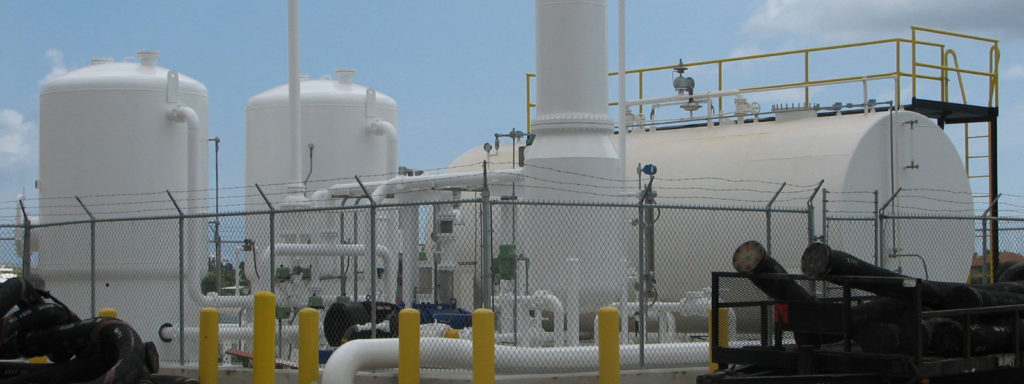
environmental permits. Here are just a few:
Developments
- Wetlands
- Endangered Species
Industry & Construction
- Air Permits for Air Discharges from Industry
- Wastewater Discharge, Sanitary and Industrial
- Hazardous Wastes, Transportation, Disposal & Storage
- Stormwater, Retention Ponds, Detention Ponds, Stormwater Runoff – Construction and Industry
Other
- Septic Tanks
- Drinking Water, Private Wells and Community Supplies
- Solid Wastes, Landfills & Incineration
Permit Needs
You have to review your planned operation to see if it will require environmental permits. Then, you have to decide what part of the environment it may impact. For example, will it impact air, water, or land? To further explain, will it be changing the existing site?
Example 1
Example 1 is environmental permits for building and paving a site. As a result, that activity decreases percolation of rain water into the ground. Because of that, more stormwater will run off the site. So, that could require a stormwater retention or detention pond permit. Further, it could require an NPDES permit for industrial sites. Additionally, those sites may have to prepare a Stormwater Pollution Prevention Plan (SWPPP).
Example 2
Example 2 is environmental permits for certain industrial facilities. In addition to the stormwater permits and plan identified in Example 1 above, there are other permits. For instance, sewer discharge permits may be required. Further, air permits may be needed. Finally, are used oil and hazardous waste requirements.
Responsibility
Responsibility for acquiring the permits can fall on many different parties. For example, it can include developers and builders. Additionally, it may include banks, attorneys, architects, or engineers. Finally, it can include manufacturers, industrial facilities, hospitals, crematories, municipalities, and many more!
Lifelines
If you need lifelines, who should you call? Firstly, some of the best lifelines are your associates. So, why is that true? Because their knowledge base can be a good starting point. And so, who are your associates? To begin with, they may be your co-workers, partners, or managers. Next, outside of them, for instance, are your attorney, professional colleagues, and environmental engineering companies. Finally, those associates may direct you to agencies or may contact the agencies themselves on your behalf.
Agencies
There are several key agencies which typically administer the various types of environmental permits. Firstly, are local agencies. For example, these may include the Water Management Districts, Florida Department of Environmental Protection (FDEP), counties, and cities. Secondly, are federal agencies. For example, these may include the U.S. Environmental Protection Agency (EPA, www.epa.gov) and U.S. Army Corps of Engineers (USACE). But, just be careful what you say. Because, it is all in the presentation!
Let ESC Help

In conclusion, there are many permits identified in this Overview of Environmental Permits! But just remember that ESC is a Florida licensed engineering company with the experience and knowledge to help you. That is because our specialty is permits concerning air emissions, industrial discharges, NPDES stormwater, and more. We service Bradenton, Sarasota, St. Petersburg, Clearwater, Tampa, and Fort Meyers. That includes Manatee, Pinellas, Hillsborough, Lee and other counties from Pensacola (Escambia County) to Key West (Monroe County). So, Contact ESC and get a reply promptly!
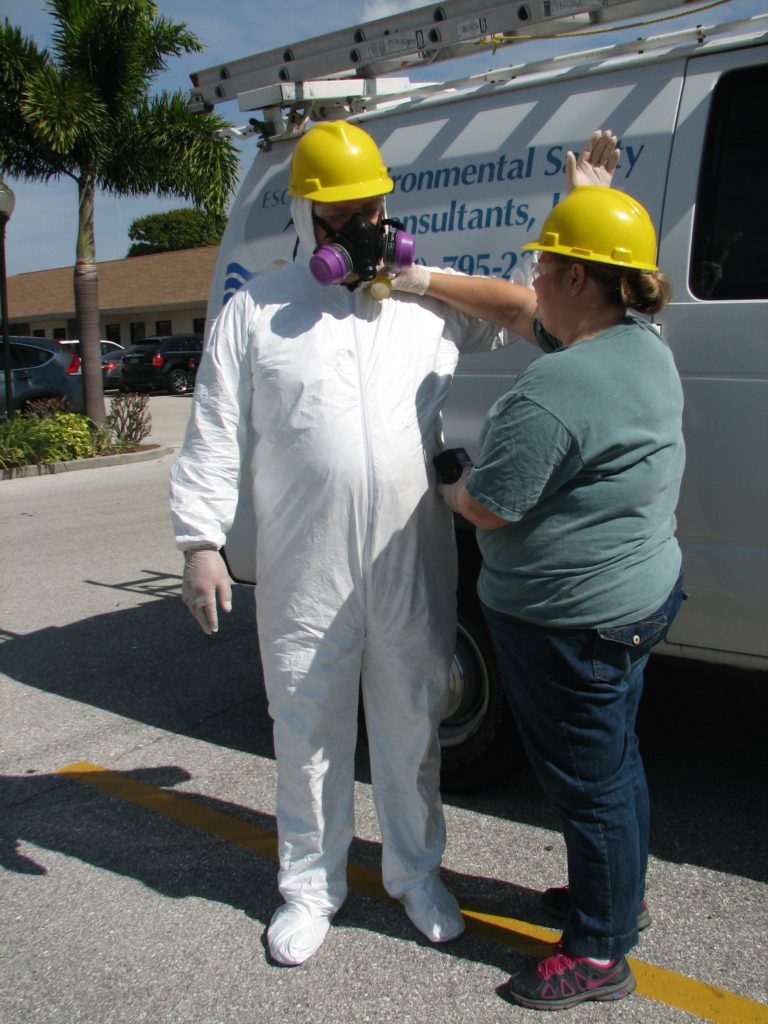 The term raises a lot of questions from the general public. They often include whether it is similar to dental hygiene or if it is a prescribed procedure for manufacturers to wash their hands? It has been suggested over the years that perhaps industrial hygiene be replaced with occupational hygiene. Maybe so, but that is not self-evident either. Industrial hygiene concerns the recognition, evaluation, and control of hazards in the work environment. It has evolved over the last couple thousand years and like a lot of things, exploded with the Industrial Revolution in the late 1800’s. It involves identifying hazards on the job that can affect the health of workers. It has grown out of the manufacturing sector, was applied directly to the construction and maritime industries, and now includes virtually any work environment with the recognition of hazards from asbestos, radon, mold, silica, indoor air quality, and, yes, most recently the novel coronavirus causing the COVID-19 pandemic.
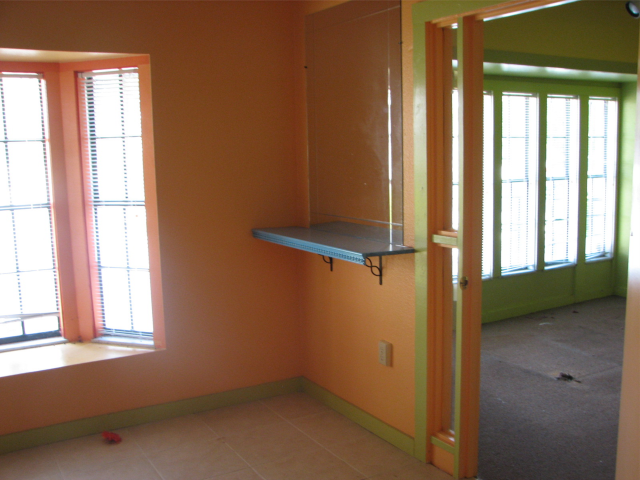 The use of lead greatly increased over time, especially after the industrial age began in the 1800’s. It was a versatile element with unique physical and chemical properties. Its uses appeared endless. It is soft and easily worked. It was rolled into sheets and pipes and was combined with other metals. It was used in the construction industry for roofing, paints, flashing, electrical conduit, and pipes conveying drinking water and sewer. And do not forget it was used in gasoline supposedly for anti-knock in automotive engines, although with its introduction, cars no longer lasted a lifetime! From all of these uses, tons of lead were released to the environment. Fortunately, it was banned from gasoline in the 1970’s, which eliminated a big portion of the environmental load.
 In our original blog article entitled “Florida NPDES Stormwater Requirements”, we provided an overview of these regulatory requirements. In this current article, we will provide more details on the monitoring itself. These monitoring requirements apply to stormwater runoff leaving your site. This may be a single outfall or more than one outfall. If there is no outfall, you may have to construct one to collect runoff to monitor.
 So now you know details on Florida NPDES Stormwater Monitoring for industrial facilities. If you need any more information, Environmental Safety Consultants (
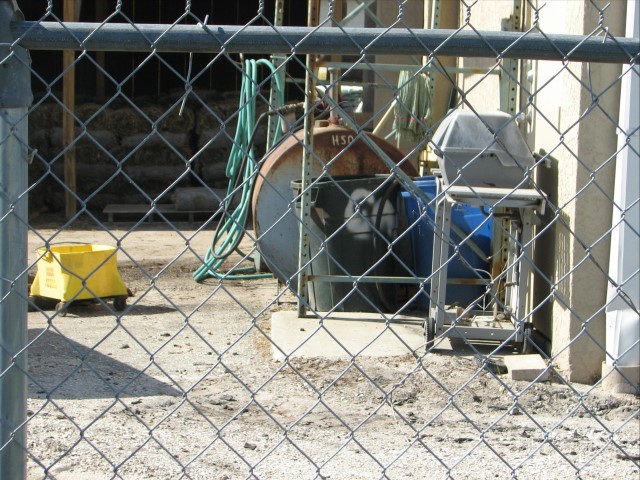 Industrial facilities included are manufacturers and those with Standard Industrial Classifications (SIC) 20 through 45, 50, and 51, plus power plants, mining operations, recycling facilities, and transportation facilities. Others include landfills, mines, hazardous waste facilities, and junkyard facilities. Industrial areas or operations which could impact stormwater include material storage, access roads, and rail lines, manufactured and intermediate product storage, material handling equipment storage, and maintenance areas. Drums or tanks of solvents, oils, and chemicals are included as are open dumpsters, air compressors, and material handling areas outside. Facilities are covered if their stormwater runoff discharges directly or ultimately to navigable waters of the U.S. In Florida, this applies to most sites.
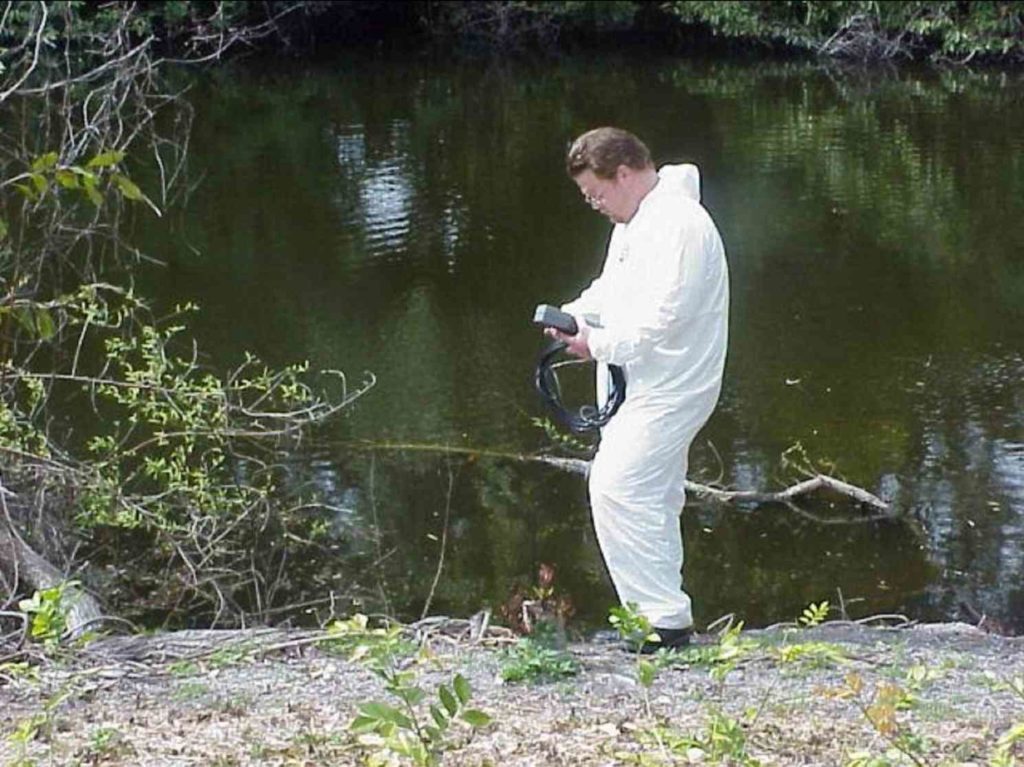 Finally, quarterly visual monitoring of the stormwater runoff will have to be completed for the life of the permit. Additionally, for certain SIC Codes, in years 2 and 4 of the permit, samples will have to be analyzed in an analytical laboratory. Analytical results must be reported to FDEP by March 1st of the year following monitoring. In certain cases when the analytical results for year 2 of the monitoring are in compliance, the FDEP may waive entirely or partially the year 4 analytical monitoring requirements.
 Building Materials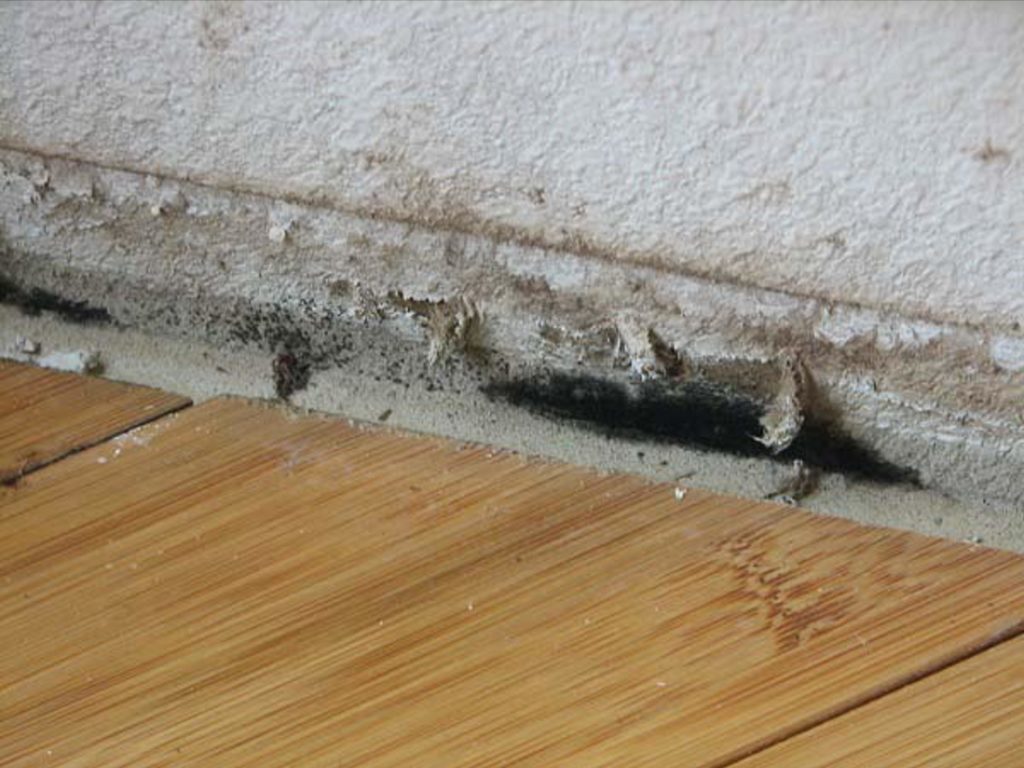
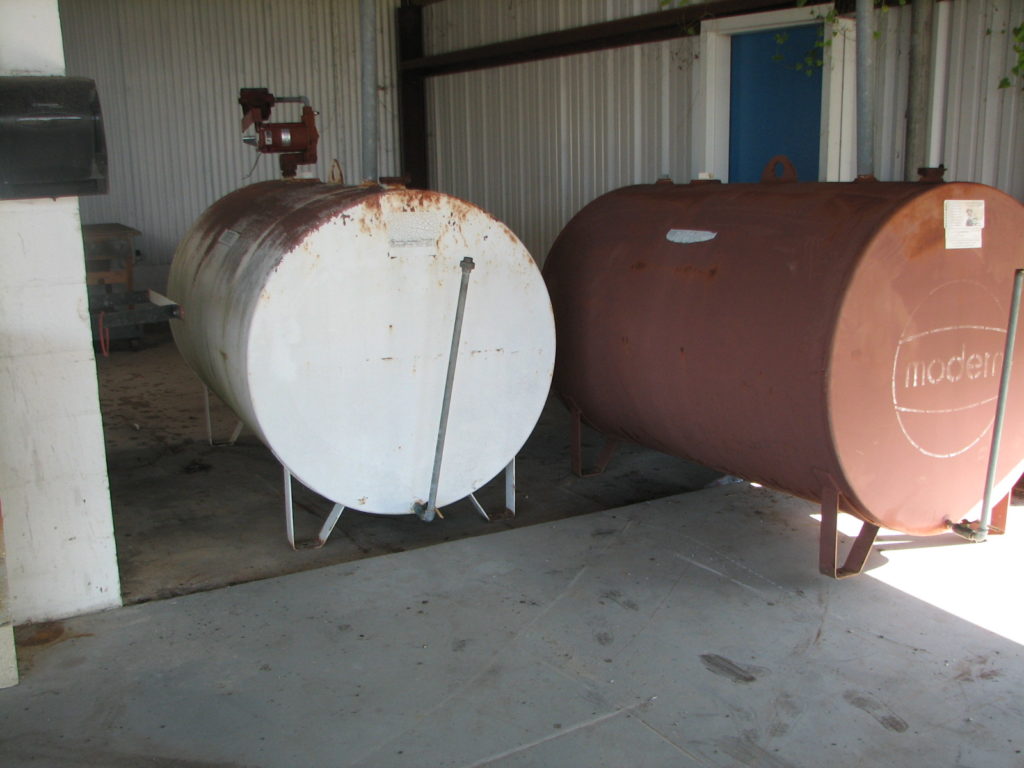 That is what Contamination Assessments used to be called in Florida. But then they were renamed Site Assessments, which can be confused with Environmental Site Assessments (Phase I and II – see our other blog articles specific to those types of projects). To avoid confusion, we will stick with the name Contamination Assessment (CA). They became regulatory requirements in Florida in the 1980’s to primarily address contamination from underground and above ground fuel and oil storage tanks. These CAs are required when contaminant levels in the soil or groundwater exceed the State Cleanup Target Levels. They are designed to determine the extent of contamination in the soil and groundwater both horizontally and vertically. Often, the contamination is originally discovered during tank closure, after a leak, from a spill, etcetera.
 Well, the fuss with asbestos all comes down to health risks. Some of the potential outcomes are very serious – lung cancer, mesothelioma (i.e., cancer of the lining of the chest cavity), and asbestosis (a pulmonary obstructive disease that eventually puts such a strain on the lungs and heart, that the patient dies from cardiac arrest). The primary route of entry for these extremely small asbestos fibers is inhalation. Theoretically, these diseases can be caused by one exposure episode. However, the greater the dose, the greater the disease. And, finally, the diseases do not show up for ten to thirty years after the exposure. That is a very long latency period.
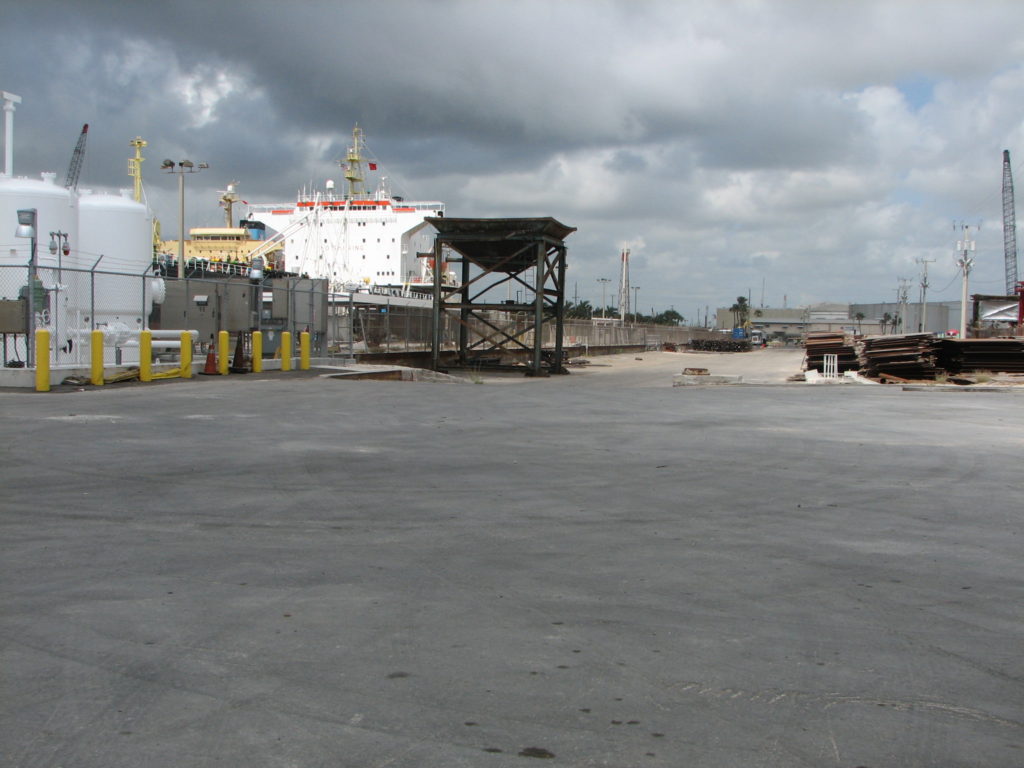 banned from all materials in the United States. It has been banned in five to seven materials and it is still found in building materials being imported today. It is not always listed on the material, sometimes a label states that a product is non-asbestos when it is not, and sometimes it is labeled as asbestos free, but chrysotile (the most common type) is listed on the ingredients).
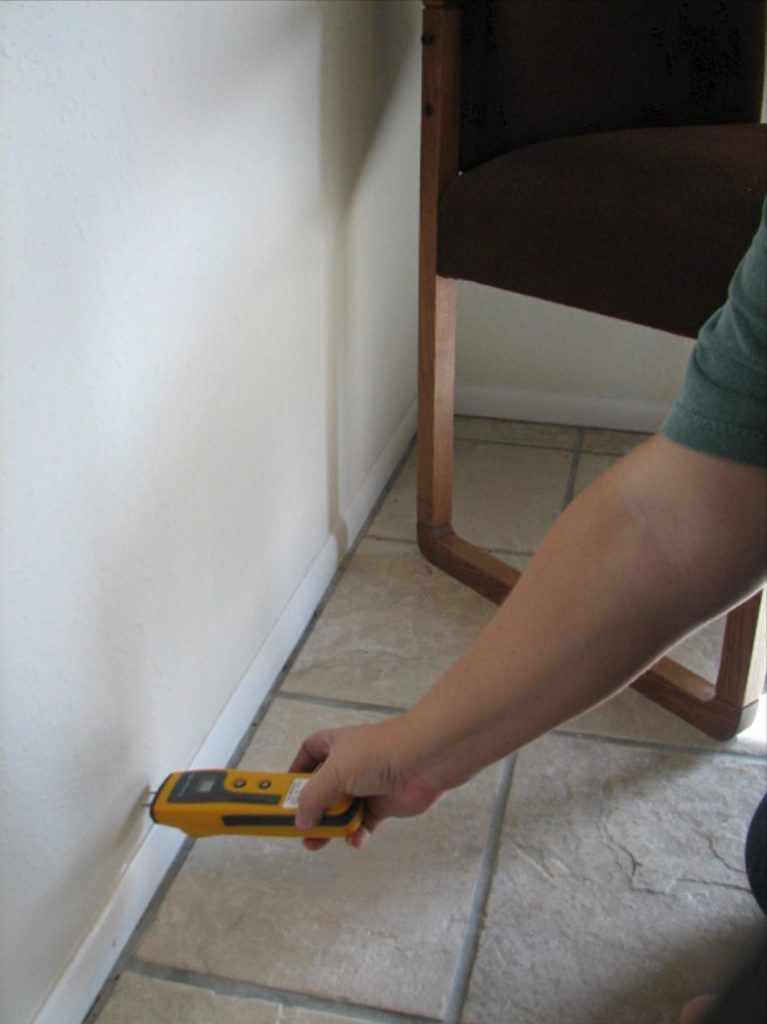
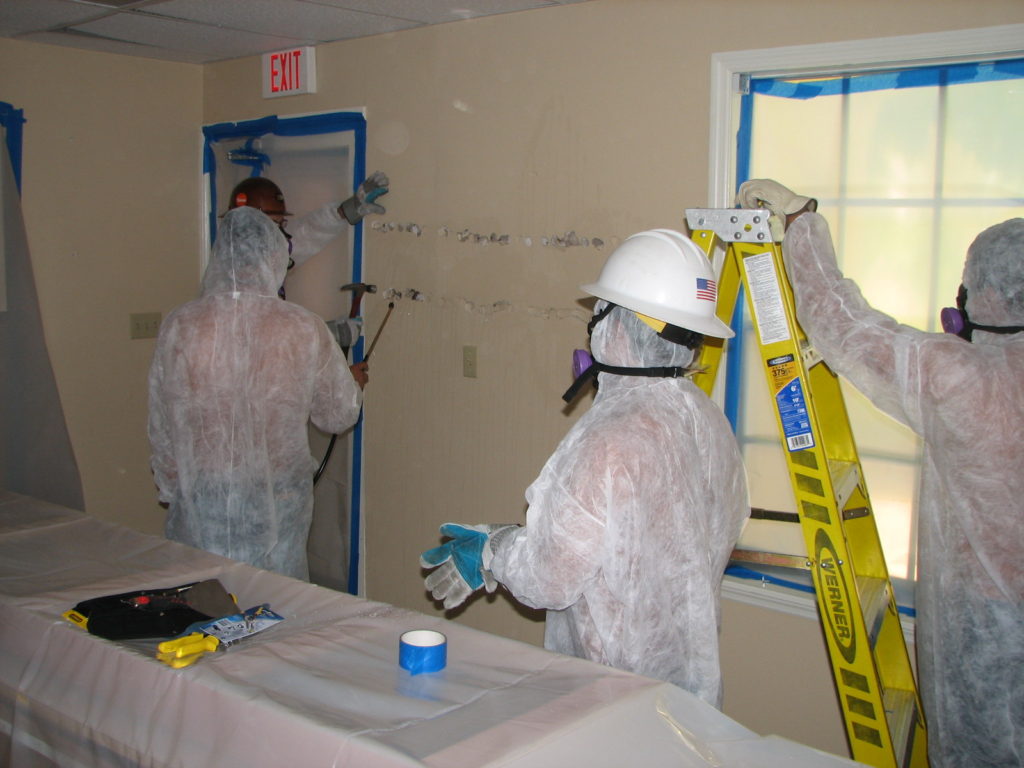 Finally, workers who install, remove, or demolish it in buildings are at risk. That is why EPA requires testing for asbestos before all renovations and demolitions of most buildings before the work is started. If asbestos is present, certain abatement procedures will be required before the construction or demolition work begins.
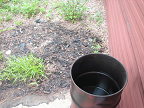 So you had your Phase I Environmental Site Assessment (Phase I) done and Recognized Environmental Conditions (RECs) were found. You have decided to proceed with the transaction but you now need a Phase II ESA (Phase II) to fulfill your due diligence in determining if the site is or could be contaminated from usage of the site or properties in the vicinity. On the financial end, you and the seller have decided who will pay for the Phase II. This could mean that the seller will pay for it all, you will pay for it all, or the two of you will share the expense. Many times if you are paying any part of it, there is a proviso that the seller will reimburse you in full if contamination is found and you cancel the trans-action. The specifics are provided by your attorney.
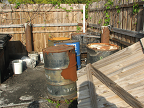 Once you have selected a firm, discuss the Scope of Work, turnaround, and terms. The Scope should be designed to specifically investigate the RECs that were found during the Phase I. This includes the media type and the contaminant types. The media may include soil, surface water, sediments, and groundwater. One or more of these media may need to be included. Types of contaminants include gasoline, diesel fuel, used oil, solvents, pesticides, heavy metals, and perc (perchloroethylene, a dry cleaning chemical), among others. There may be concerns with different contaminants in different locations on the site. These locations may have different media to be tested.