
What is Industrial Hygiene?
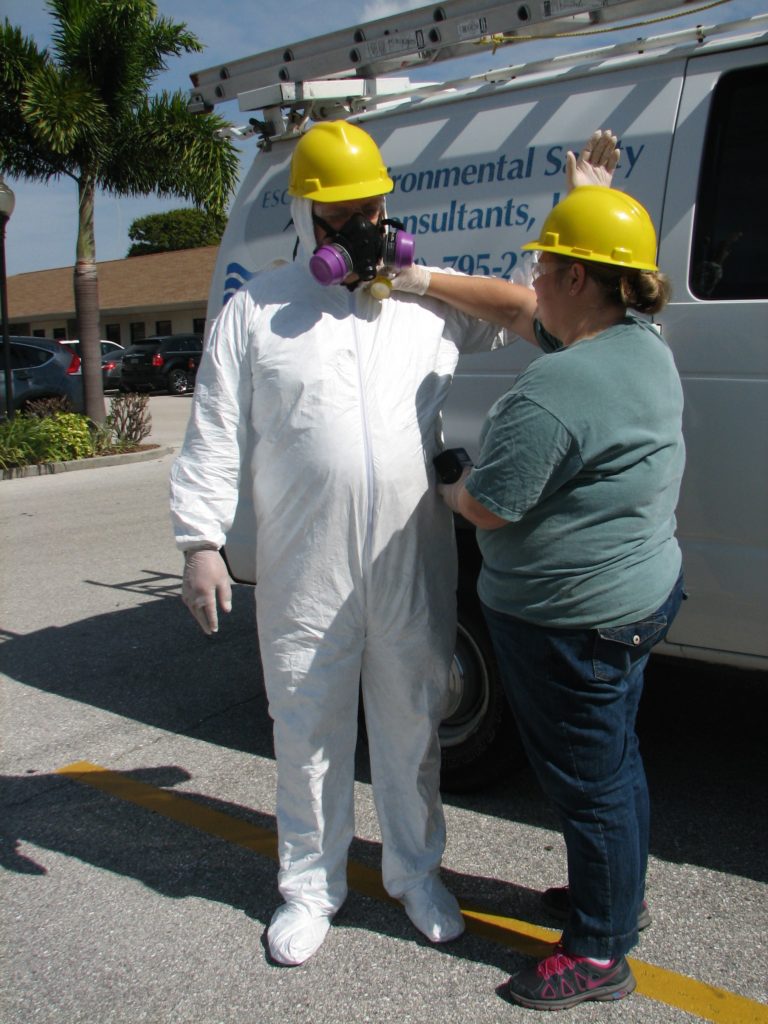 The term raises a lot of questions from the general public. They often include whether it is similar to dental hygiene or if it is a prescribed procedure for manufacturers to wash their hands? It has been suggested over the years that perhaps industrial hygiene be replaced with occupational hygiene. Maybe so, but that is not self-evident either. Industrial hygiene concerns the recognition, evaluation, and control of hazards in the work environment. It has evolved over the last couple thousand years and like a lot of things, exploded with the Industrial Revolution in the late 1800’s. It involves identifying hazards on the job that can affect the health of workers. It has grown out of the manufacturing sector, was applied directly to the construction and maritime industries, and now includes virtually any work environment with the recognition of hazards from asbestos, radon, mold, silica, indoor air quality, and, yes, most recently the novel coronavirus causing the COVID-19 pandemic.
What is a CIH?
A CIH is a Certified Industrial Hygienist, or a credentialed industrial hygienist. Although anyone can label themselves an industrial hygienist, not everyone can say they are truly a CIH. It takes a bachelors or masters degree in industrial hygiene, or in biology, chemistry, or engineering, with the core science and industrial hygiene courses to become a CIH. Then, one must work under another CIH for five years. After that, an application is completed and submitted to the Board for EHS Credentialing, www.EHSCredentialing.org (formerly American Board of Industrial Hygiene, www.abih.org). The final step is to take the examination which covers core competency and actual practice. But wait, there is more! Continuing education is required and quite rigorous. Upon satisfactory completion of that requirement, re-certification is required every five years.
Why use a CIH?
The reason is because a Certified Industrial Hygienist has the education, training, experience, and credentials to properly complete your industrial hygiene work. The work should be court defensible. What? Not planning on going to court? Unfortunately, in today’s litigious society, it doesn’t matter. Especially in the world of employee exposure to hazards. Since the CIH credential came about in 1956 from the American Board of Industrial Hygiene (ABIH), courts have come to recognize the expertise and credibility associated with that credentialed professional. I have personally been allowed to testify in a case in the 12th Judicial Circuit Court in Florida while the non-CIH was denied.
 So there is an overview of industrial hygiene and what a CIH is! Stay tuned for our next in depth blog on industrial hygiene testing. If you need any assistance, Environmental Safety Consultants (www.escflorida.com) is here. We are a Florida licensed environmental engineering company with a CIH on staff. We have the credentials and experience to help you complete your industrial hygiene project. We have a proven track record with a Florida licensed environmental engineer and environmental scientists on staff. We specialize in industrial hygiene, indoor air quality, asbestos, lead paint, silica, noise, and more. We are just a telephone call (800-226-1735) or an e-mail away (escinc@verizon.net). Contact us today!
 The use of lead greatly increased over time, especially after the industrial age began in the 1800’s. It was a versatile element with unique physical and chemical properties. Its uses appeared endless. It is soft and easily worked. It was rolled into sheets and pipes and was combined with other metals. It was used in the construction industry for roofing, paints, flashing, electrical conduit, and pipes conveying drinking water and sewer. And do not forget it was used in gasoline supposedly for anti-knock in automotive engines, although with its introduction, cars no longer lasted a lifetime! From all of these uses, tons of lead were released to the environment. Fortunately, it was banned from gasoline in the 1970’s, which eliminated a big portion of the environmental load.